

In recent years, the increase in the number of sustainability practices for modern businesses has transformed from a trend into a strategic necessity. Companies across industries are no longer treating sustainability as a side initiative—it has become deeply embedded in core business operations, driven by regulatory pressure, investor expectations, and shifting consumer behavior.
This article explores why sustainability matters more than ever, the key drivers behind its growth, and how modern businesses are adapting to this evolving landscape.
The Rise of Sustainability in Modern Business
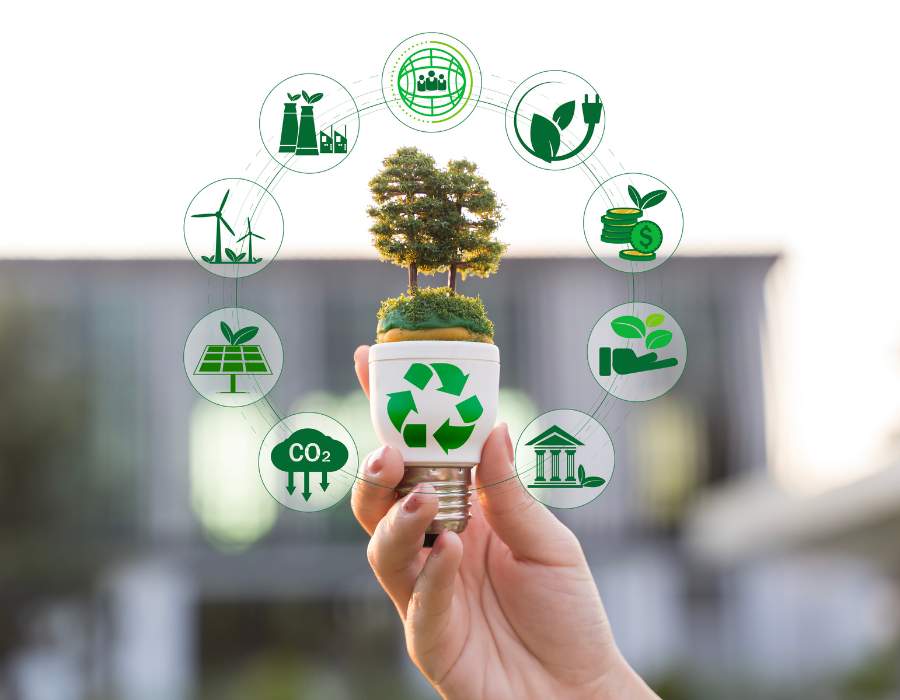
Sustainability is now a mainstream business priority rather than a niche concern. Studies show that demand for ESG (Environmental, Social, and Governance) initiatives continues to grow rapidly, with sustainability investments outpacing supply globally.
Additionally, 82% of businesses plan to increase investment in sustainability within the next 12–18 months, highlighting a major shift toward environmentally responsible operations.
This surge reflects a broader transformation: companies are aligning profitability with purpose. Sustainability is no longer just about compliance—it is about long-term resilience and competitive advantage.
Key Drivers Behind the Increase in Sustainability Practices
1. Regulatory Pressure and Compliance
Governments worldwide are introducing stricter sustainability regulations. Mandatory climate disclosures and ESG reporting frameworks are becoming standard practice, pushing businesses to adopt transparent and measurable sustainability practices.
For example, new environmental laws and reporting standards are forcing companies to rethink supply chains, emissions, and resource usage. Organizations that fail to comply risk penalties and reputational damage.
2. Investor Expectations and Financial Impact
Investors are increasingly prioritizing sustainability when making decisions. By 2025, 71% of investors are expected to incorporate ESG factors into their portfolios, recognizing their role in reducing risk and improving returns.
Moreover, ESG-related disputes have already cost major corporations billions in market value, reinforcing the financial importance of sustainability. Businesses that adopt strong sustainability practices are more likely to attract investment and maintain long-term growth.
3. Consumer Demand and Brand Reputation
Modern consumers are more conscious than ever about environmental and social issues. They prefer brands that demonstrate responsibility and transparency.
However, skepticism is also rising—62% of consumers suspect greenwashing, meaning businesses must ensure authenticity in their sustainability efforts.
As a result, companies are adopting more credible and measurable sustainability practices to build trust and loyalty.
4. Climate Change and Environmental Urgency
The growing impact of climate change is a major catalyst for sustainability adoption. Businesses are facing increased risks from extreme weather events, resource scarcity, and environmental degradation.
Reports highlight that biodiversity loss and ecosystem collapse are among the top global risks, pushing companies to integrate sustainability into risk management strategies.
This urgency has accelerated the adoption of sustainability practices across industries.
Key Sustainability Practices for Modern Businesses
As sustainability becomes central to business strategy, companies are implementing a wide range of practices:
1. Renewable Energy Adoption
Businesses are transitioning to renewable energy sources such as solar and wind to reduce carbon emissions. The growth of green hydrogen and renewable technologies is further accelerating this shift.
2. Circular Economy Models
Modern businesses are embracing circular economy principles—designing products that can be reused, recycled, or refurbished. This approach minimizes waste and maximizes resource efficiency.
3. Sustainable Supply Chain Management
Companies are focusing on ethical sourcing, reducing emissions in logistics, and ensuring transparency across supply chains. Regulations are also pushing businesses to track environmental impact more closely.
4. ESG Reporting and Transparency
Organizations are investing in ESG reporting tools and technologies to track performance and ensure compliance. However, only 22% of CFOs feel fully prepared for climate reporting, indicating room for improvement.
5. Integration into Core Business Strategy
Sustainability is no longer a separate function—it is being integrated into decision-making processes such as product development, risk management, and capital allocation.
Challenges in Implementing Sustainability Practices
Despite the progress, businesses face several challenges:
- Data and reporting complexities: Ensuring accurate ESG data remains difficult
- High implementation costs: Transitioning to sustainable systems requires investment
- Regulatory fragmentation: Different standards across regions create confusion
- Greenwashing risks: Maintaining credibility is critical
Additionally, only a small percentage of companies feel fully prepared for new ESG requirements, highlighting a gap between ambition and execution.
The Business Benefits of Sustainability
Adopting sustainability practices offers several advantages:
- Improved brand reputation and customer loyalty
- Access to investment and funding opportunities
- Operational efficiency and cost savings
- Risk mitigation and regulatory compliance
- Long-term profitability and resilience
In fact, nearly 49% of businesses report positive returns on sustainability investments, proving that sustainability is not just ethical—it is profitable.
The Future of Sustainability in Business
Looking ahead, sustainability will continue to evolve with trends such as:
- AI-driven ESG reporting and analytics
- Increased focus on biodiversity and nature-positive strategies
- Greater scrutiny of corporate sustainability claims
- Integration of social impact alongside environmental goals
As businesses race toward 2030 sustainability targets, those that fail to adapt risk falling behind in an increasingly competitive and regulated market.
FAQs
1. What are sustainability practices for modern businesses?
They are strategies and actions businesses take to reduce environmental impact, improve social responsibility, and ensure long-term economic viability.
2. Why are sustainability practices important today?
They help businesses stay competitive, meet regulations, attract customers, and reduce risks related to climate change and resource scarcity.
3. What are examples of sustainability practices?
Examples include using renewable energy, reducing waste, adopting circular economy models, and ensuring ethical sourcing.
4. Do sustainability practices increase business costs?
Initially, they may require investment, but they often lead to long-term cost savings and improved efficiency.
5. How do sustainability practices impact brand reputation?
They enhance trust and loyalty, as consumers prefer companies that are environmentally and socially responsible.
6. Are small businesses also adopting sustainability practices?
Yes, many small businesses are implementing simple and cost-effective sustainability initiatives.
Conclusion
The rapid increase in sustainability practices for modern businesses reflects a fundamental shift in how companies operate. Driven by regulation, investor pressure, consumer demand, and environmental urgency, sustainability has become a core pillar of business success.
Organizations that embrace sustainability are not only contributing to a better future but are also positioning themselves for long-term growth, innovation, and resilience. In today’s business landscape, sustainability is no longer optional—it is essential.