
Artificial Intelligence (AI) is one of the most transformative technologies of the 21st century. From virtual assistants and recommendation engines to self-driving cars and smart healthcare systems, AI is rapidly changing how we live, work, and interact with technology.
In today’s digital world, businesses are increasingly adopting AI to improve efficiency, reduce costs, and gain a competitive edge. At the same time, individuals are experiencing AI in everyday life often without even realizing it.
This article explores the future of artificial intelligence, its applications, benefits, challenges, and why it is essential for both businesses and individuals to understand and embrace this technology.
What is Artificial Intelligence?
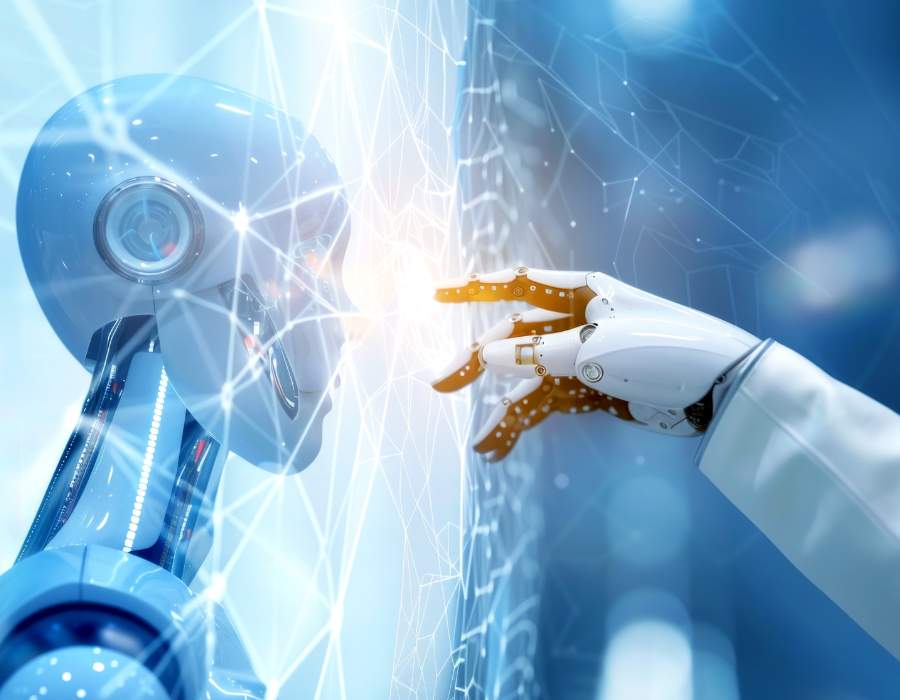
Artificial Intelligence refers to the ability of machines to simulate human intelligence. This includes learning from data, recognizing patterns, understanding language, and making decisions.
AI is powered by several key technologies:
- Machine Learning (ML): Systems that learn from data and improve over time
- Natural Language Processing (NLP): Enables machines to understand human language
- Computer Vision: Allows machines to interpret images and videos
- Automation & Robotics: Machines performing tasks with minimal human input
These technologies work together to create intelligent systems capable of solving complex problems.
Why Artificial Intelligence is Important
AI has become essential because of its ability to process massive amounts of data quickly and accurately. In a world driven by information, this capability is invaluable.
Key Reasons AI Matters:
- Enhances productivity and efficiency
- Reduces human error
- Enables data-driven decision-making
- Improves customer experiences
- Drives innovation across industries
Organizations that leverage AI can gain a significant advantage over competitors.
Applications of Artificial Intelligence
1. AI in Healthcare
AI is revolutionizing healthcare by improving diagnosis, treatment, and patient care.
- Early detection of diseases like cancer
- AI-powered medical imaging
- Personalized treatment plans
- Virtual health assistants
AI helps doctors make faster and more accurate decisions, ultimately saving lives.
2. AI in Business and Marketing
Businesses use AI to understand customers and optimize operations.
- Chatbots for 24/7 customer support
- Predictive analytics for sales forecasting
- Personalized recommendations
- Automated marketing campaigns
AI helps companies deliver better experiences and increase revenue.
3. AI in Education
AI is transforming education by making learning more personalized and accessible.
- Smart tutoring systems
- Adaptive learning platforms
- Automated grading
- Virtual classrooms
Students can learn at their own pace, improving outcomes.
4. AI in Transportation
AI is improving transportation systems and safety.
- Self-driving vehicles
- Traffic management systems
- Route optimization
- Predictive maintenance
These innovations reduce accidents and save time.
5. AI in Finance
The financial sector uses AI for better security and efficiency.
- Fraud detection systems
- Risk assessment
- Algorithmic trading
- Customer service automation
AI helps financial institutions operate more effectively.
Benefits of Artificial Intelligence
1. Increased Efficiency
AI automates repetitive tasks, allowing humans to focus on more strategic work.
2. Cost Reduction
Businesses save money by reducing manual labor and improving processes.
3. Improved Accuracy
AI systems minimize errors, especially in data-heavy tasks.
4. Better Decision-Making
AI analyzes large datasets to provide actionable insights.
5. 24/7 Availability
AI systems can operate continuously without breaks.
Challenges of Artificial Intelligence
Despite its advantages, AI comes with several challenges that must be addressed.
1. Job Displacement
Automation may replace certain roles, especially repetitive jobs.
2. Data Privacy Concerns
AI systems require large datasets, raising concerns about user privacy.
3. High Implementation Costs
Developing AI systems can be expensive for small businesses.
4. Ethical Issues
Bias in algorithms and lack of transparency can lead to unfair outcomes.
5. Dependence on Technology
Over-reliance on AI may reduce human decision-making skills.
The Future of Artificial Intelligence
The future of AI is filled with opportunities and advancements. As technology evolves, AI will become even more integrated into our lives.
1. AI and Automation
Automation will increase across industries, improving productivity and reducing costs.
2. Smart Cities
AI will help manage traffic, energy, waste, and infrastructure in urban areas.
3. Human-AI Collaboration
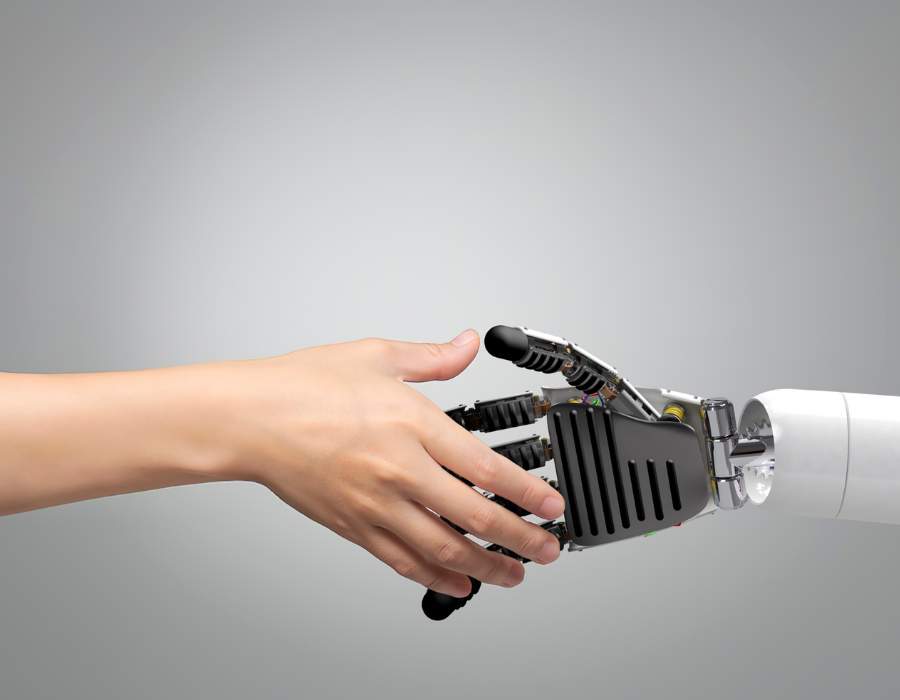
AI will not replace humans but will work alongside them to enhance capabilities.
4. Advanced Robotics
AI-powered robots will become more common in homes and workplaces.
5. AI in Everyday Life
From smart homes to wearable devices, AI will become a daily necessity.
How Businesses Can Prepare for AI
To stay competitive in the AI-driven world, businesses should:
- Invest in AI technologies
- Train employees in AI skills
- Use data-driven strategies
- Focus on ethical AI practices
- Continuously adapt to new trends
Early adoption of AI can provide long-term benefits.
SEO Optimization Tips for This Topic
To rank higher on search engines, focus on these SEO strategies:
Primary Keywords:
- Artificial Intelligence
- Future of AI
- AI technology
- AI applications
Secondary Keywords:
- Benefits of AI
- AI in healthcare
- AI in business
- Machine learning
On-Page SEO Tips:
- Use headings (H1, H2, H3) properly
- Keep paragraphs short and readable
- Include keywords naturally
- Add internal and external links
- Optimize meta title and description
FAQs About Artificial Intelligence
1. What is AI?
AI is technology that enables machines to think, learn, and make decisions like humans.
2. Where is AI used?
AI is used in healthcare, business, education, finance, and transportation.
3. How does AI work?
AI uses data and algorithms to learn patterns and improve over time.
4. What are the benefits of AI?
It increases efficiency, reduces errors, saves costs, and works 24/7.
5. What are the disadvantages of AI?
Job loss, high cost, data privacy issues, and lack of human emotions.
6. Will AI replace jobs?
AI may replace some jobs but also creates new opportunities.
7. What is the future of AI?
AI will grow in automation, smart cities, and everyday technology.
Conclusion
Artificial Intelligence is transforming every aspect of our lives. From healthcare and education to business and transportation, AI is driving innovation and efficiency across industries.
While challenges such as job displacement and ethical concerns exist, the potential benefits of AI are far greater. By adopting AI responsibly, we can create a future that is smarter, more efficient, and more connected.