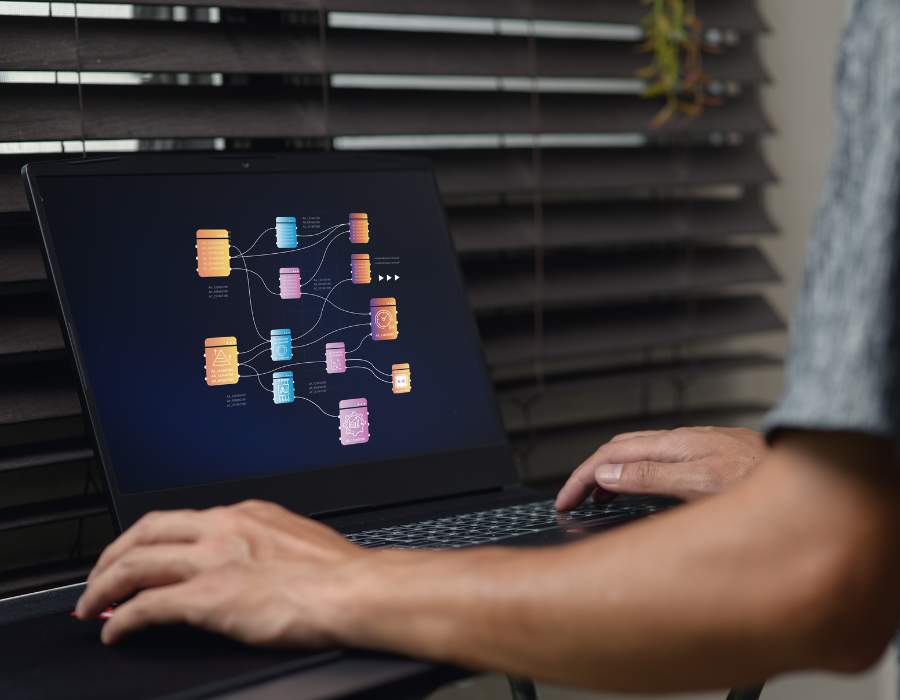

The rapid increase in technology solutions for small businesses is transforming how companies operate, compete, and scale in 2026. From artificial intelligence to cloud computing, small businesses are no longer limited by size or resources. Instead, they are leveraging modern tools to streamline operations, improve customer experience, and drive revenue growth.
Recent data shows that 96% of small business owners plan to adopt emerging technologies, while AI usage alone has doubled in recent years, reaching nearly 60% of business operations . This surge highlights a major shift: technology is no longer optional—it’s essential for survival and growth.
The Rise of Technology Solutions for Small Businesses

The growth in digital adoption is driven by multiple factors, including increased competition, evolving customer expectations, and the need for efficiency. In 2026, businesses are focusing on practical, ROI-driven technologies rather than experimental tools .
Small businesses are increasingly embracing:
- Automation to reduce manual work
- Data analytics for smarter decision-making
- Digital platforms to expand market reach
This widespread adoption is part of a broader digital transformation trend where businesses prioritize scalability, flexibility, and cost-efficiency.
1. Artificial Intelligence and Automation
Artificial Intelligence (AI) is leading the revolution in technology solutions for small businesses. It helps automate repetitive tasks, enhance customer service, and generate insights.
AI tools are now used for:
- Chatbots and customer support
- Content creation and marketing
- Sales forecasting and analytics
In fact, businesses adopting AI have reported improved decision-making and even revenue growth, with some seeing gains of up to 16% in certain functions .
Additionally, the emergence of AI agents—digital assistants capable of performing complex tasks—allows small businesses to operate like larger enterprises without increasing staff.
2. Cloud Computing and Remote Work Solutions
Cloud technology has become a backbone for small business operations. It enables teams to work remotely, access data from anywhere, and reduce infrastructure costs.
Key benefits include:
- Scalability without heavy investment
- Real-time collaboration
- Secure data storage
Cloud-based tools, including remote monitoring and management systems, allow businesses to maintain IT infrastructure efficiently. Today, over 60% of such tools are cloud-based, reflecting the shift toward flexible operations .
With remote work now a standard practice, cloud solutions are essential for maintaining productivity and continuity.
3. No-Code and Low-Code Development Platforms
One of the fastest-growing categories in technology solutions for small businesses is no-code and low-code platforms. These tools allow users to build apps and automate workflows without technical expertise.
According to industry forecasts, 70% of new applications will use no-code or low-code technologies, a massive increase from previous years .
Benefits include:
- Faster development cycles
- Reduced dependency on developers
- Cost-effective customization
This democratization of technology empowers small businesses to innovate quickly and adapt to changing market needs.
4. Data Analytics and Business Intelligence
Data is now a critical asset for small businesses. Advanced analytics tools help companies understand customer behavior, optimize operations, and identify growth opportunities.
In 2026, data-driven strategies are becoming a competitive advantage. Businesses that leverage analytics can:
- Predict customer trends
- Improve marketing ROI
- Enhance operational efficiency
Experts emphasize that companies using data insights outperform those relying on intuition, especially in sales and marketing decisions .
5. Cybersecurity Solutions
As digital adoption increases, so does the risk of cyber threats. Small businesses are particularly vulnerable due to limited resources and expertise.
Modern cybersecurity solutions offer:
- Endpoint protection
- Secure access systems
- Automated threat detection
With more operations moving online, investing in cybersecurity is no longer optional—it’s a necessity to protect sensitive data and maintain customer trust.
6. E-commerce and Digital Marketing Tools
The expansion of online shopping and digital engagement has made e-commerce platforms and marketing tools essential.
Small businesses are leveraging:
- Social media marketing
- SEO and content marketing
- Omnichannel sales platforms
Digitalization is now a “game changer,” enabling businesses to reach wider audiences and increase revenue streams .
Platforms integrating AI-driven marketing tools are also helping automate campaigns and improve targeting, making marketing more efficient and cost-effective.
7. Collaboration and Productivity Tools
Modern workplaces rely heavily on collaboration tools to manage teams and projects effectively. These solutions are especially important for remote and hybrid work environments.
Common tools include:
- Project management software
- Communication platforms
- File-sharing systems
These technologies improve team coordination, reduce delays, and enhance overall productivity.
8. Sustainable and Green Technologies
Sustainability is emerging as a key trend in technology solutions for small businesses. Companies are adopting eco-friendly technologies to reduce costs and meet regulatory requirements.
Green tech solutions include:
- Energy-efficient systems
- Digital documentation to reduce paper use
- Sustainable supply chain tools
Businesses that prioritize sustainability are gaining a competitive edge while contributing to environmental goals.
The Future of Technology Solutions for Small Businesses
Looking ahead, the growth in technology adoption will only accelerate. Industry trends suggest that small businesses will continue investing in:
- AI-powered tools
- Automation and robotics
- Personalized customer experiences
With 77% of small businesses already integrating AI in some form, the future will see even deeper technological integration across all business functions .
The focus will shift from simply adopting technology to maximizing its impact—ensuring every tool contributes directly to growth and efficiency.
FAQs: Technology Solutions for Small Businesses
1. What are technology solutions for small businesses?
Technology solutions for small businesses include tools like cloud software, AI, automation, and digital marketing platforms that help improve efficiency, reduce costs, and drive growth.
2. Why are technology solutions important for small businesses in 2026?
They help businesses stay competitive, automate tasks, improve customer experience, and make data-driven decisions in a fast-changing digital landscape.
3. What is the most popular technology used by small businesses today?
Cloud computing and AI-powered tools are among the most widely used technologies due to their flexibility and cost-effectiveness.
4. Are technology solutions affordable for small businesses?
Yes, many solutions offer scalable pricing models, including subscription-based and pay-as-you-go options, making them accessible even for startups.
5. How can small businesses choose the right technology solutions?
They should focus on their specific needs, budget, ease of use, scalability, and integration with existing systems.
6. Do small businesses need cybersecurity solutions?
Yes, cybersecurity is essential to protect sensitive data, prevent cyberattacks, and maintain customer trust.
Conclusion
The increase in technology solutions for small businesses in 2026 marks a turning point in how businesses operate and compete. From AI and cloud computing to data analytics and cybersecurity, these tools are enabling small businesses to achieve more with fewer resources.
To stay competitive, small businesses must embrace these innovations strategically. Those that invest in the right technologies will not only survive but thrive in an increasingly digital and data-driven world.
Ultimately, technology is no longer just a support system—it is the foundation of modern business growth.